
Lumpy breasts are common. Here is what that texture is.
7 min read
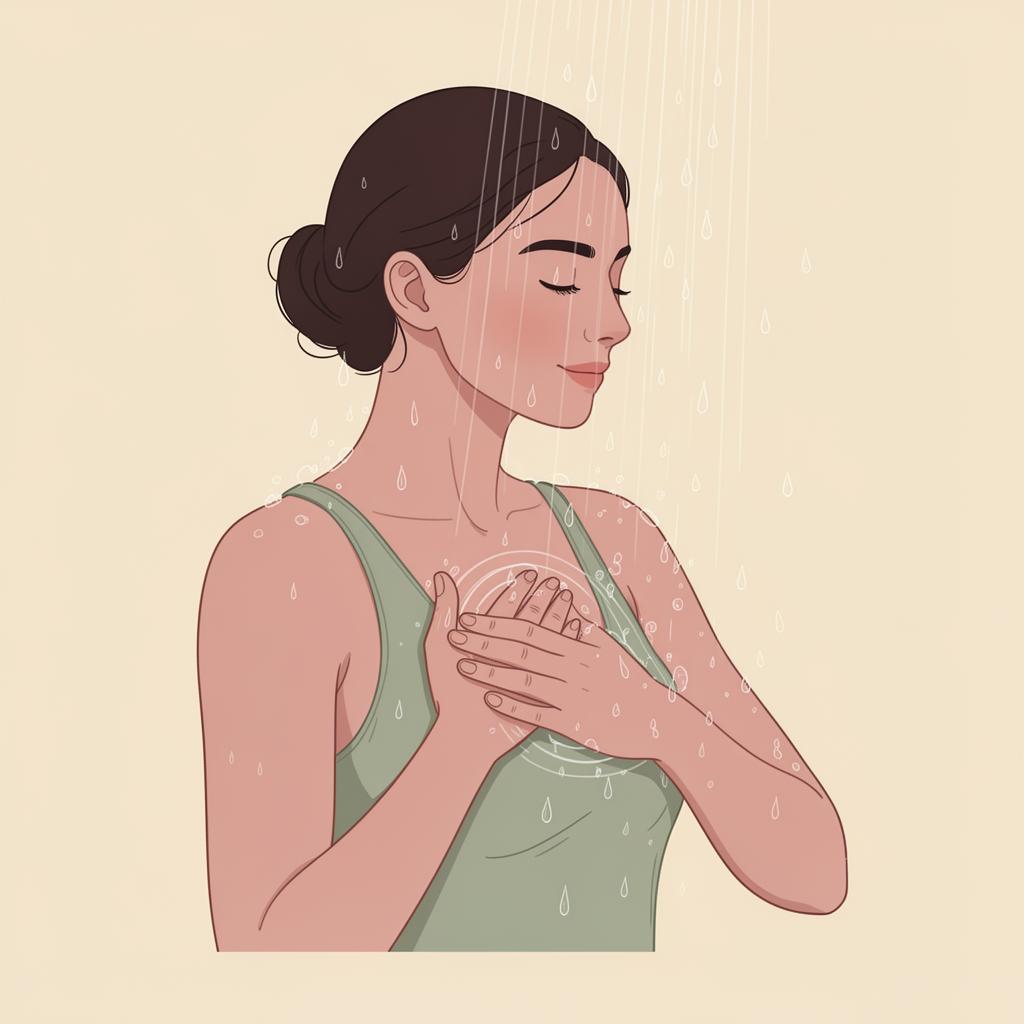
The first time a woman really feels her own breast tissue, she is often surprised. It is not smooth. It is ropey in places, bumpy in others, and there may be a patch that feels like a handful of small marbles under the skin. That texture has a name, fibrocystic change, and it is one of the most ordinary things breast tissue does.
What the texture actually is
Breasts are made of glandular tissue, fibrous supporting tissue, and fat, in a mix that is different for every woman. The glandular parts respond to your hormones every single month: ducts and lobules swell a little, some hold small pockets of fluid, and the fibrous tissue around them thickens. What your fingers read as lumpy is that ordinary architecture, slightly plumped up.
Cysts and ropes and nodules
Fluid-filled cysts tend to feel round, smooth and a little springy, like a small grape under the skin, and they can change size through the month. Fibrous areas feel firmer and more ropey, often in bands running through the upper outer part of the breast. Both are common, both can be tender, and both are part of the same normal picture.
Why it moves through the month
Fibrocystic texture is not static. It usually gets more obvious and more tender in the week or two before your period, then softens once bleeding starts. That monthly rise and fall is one of the most reassuring signals there is, because it tells you the texture is following your hormones rather than doing something of its own.
How to know your own baseline
The most useful thing you can do is feel your breasts at the same point each month, a few days after your period ends, when tissue is at its calmest. After two or three months you stop wondering whether the ropey patch is new, because you know it is not. Familiarity is what turns a surprise into a shrug.
What is worth mentioning
A lump that is new and stays fixed in one spot through a whole cycle, one that does not move under your fingers, skin dimpling, or nipple discharge other than clear or white are all worth a clinician's eyes. Not because they are likely to be serious, but because they are outside the normal monthly pattern and deserve a proper look rather than a guess.
Living with it comfortably
For everyday comfort, women tend to get the most from steady sleep, going easier on salt and caffeine premenstrually, and gentle monthly self-massage. Some also use evening primrose oil, iodine or magnesium, which support normal breast tissue comfort through the cycle. Normal texture does not need fixing; it just needs to be easier to live with.
Want this mapped to your own situation? The quiz takes about a minute.
Take the quiz